Autism Mom T-shirt Design 2: A Designer’s Real-World Review
First Impressions: Emotional, Bold, and Ready for Embroidery
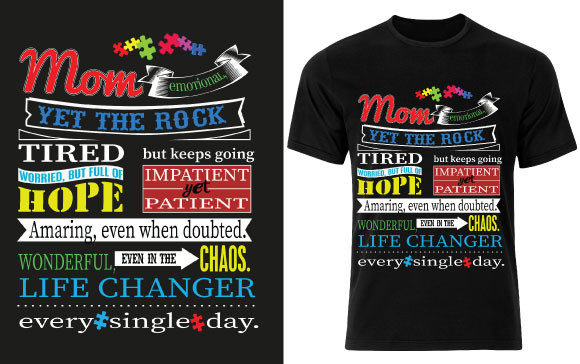
Opening the files for Autism Mom T-shirt Design 2, the first thing that stands out is the emotional weight behind the design. It’s not just a phrase—it’s a statement. The layout is clean, centered, and well-proportioned, which makes it ideal for embroidery on garments and accessories where clarity and readability matter. The design uses a modern sans-serif font with a soft touch of decorative elements, giving it a balance between professionalism and warmth. The layering in the SVG and AI files suggests it was built with customization in mind, allowing for easy color swaps depending on fabric or customer preference.
From a visual standpoint, it carries a supportive, community-driven vibe. This makes it perfect for embroidery projects aimed at awareness, advocacy, or personalized gifts for moms of children on the autism spectrum. It doesn’t scream for attention like a cartoonish design might—it’s understated, but meaningful. That’s a big plus when you're making boutique items or Etsy products where buyers want to feel seen without being flashy.
Real-Life Embroidery Use: From Sweatshirts to Tote Bags
I tested this design on a few different materials: a cotton tote bag, a fleece sweatshirt, and a linen baby bib. On the tote bag, the design stitched cleanly with minimal puckering. The satin and fill stitches held up well, even around the more detailed corners of the text. On the sweatshirt, I used a medium-weight cutaway stabilizer, which helped prevent the design from sinking into the fabric. The result was crisp and professional-looking—ideal for a mom-focused gift or small business apparel.
When scaled down for the baby bib, I noticed that the smaller lettering started to lose some definition. This is something to keep in mind if you're planning to use this design on items with limited space. The 100 customized layers are great for flexibility, but you may need to simplify or adjust stitch density for smaller hoop sizes. Still, the overall adaptability of the design shines through.
Where to Use It—and Where to Be Careful
Autism Mom T-shirt Design 2 works best on stable, medium-weight fabrics like cotton, denim, or twill. It’s a strong contender for tote bags, sweatshirts, and embroidered patches. However, caution is needed when applying it to stretchy knits or thin fabrics. The satin stitches can pull or pucker on stretchy material unless you use the right stabilizer and adjust tension settings. Also, if you're embroidering on dark fabrics, test the design with light thread colors first to ensure contrast and legibility.
Curved surfaces like baseball caps or rounded corners on pillow covers may require additional digitizing adjustments. The design is clean, but it’s not inherently shaped for curved embroidery, so some manual tweaking may be necessary. Similarly, if you're working with textured fabrics like towels or thick blankets, consider using a slightly bolder version of the design or increasing stitch density to maintain visibility.
Impact on Product Appeal and Customer Trust
As a designer and product reviewer, I can say this design brings value beyond aesthetics. It speaks to a niche audience—mothers of children with autism—who often appreciate meaningful, high-quality items that reflect their journey. Whether you're creating a personalized gift, boutique apparel, or embroidered nursery decor, this design adds emotional resonance to your product lineup.
From a business perspective, it helps build trust and connection with your audience. When customers see a design that feels authentic and well-executed, they’re more likely to view your shop as professional and thoughtful. This is especially important for Etsy sellers and small craft businesses where branding and customer perception play a huge role in repeat sales.
Practical Embroidery Designer Notes
- Test on scrap fabric first: Always run a test stitch-out, especially if you're using a new stabilizer or unfamiliar fabric.
- Check thread color contrast: This design works best when thread colors are carefully chosen to match the fabric. Consider offering multiple color options to your customers.
- Review stitch density: Especially on small hoop sizes or thin fabrics, adjusting density can prevent distortion and ensure clarity.
- Confirm hoop size compatibility: Make sure the design fits within your machine’s hoop dimensions before stitching.
- Inspect small details: If you're reducing the size, check that the lettering remains legible and that small decorative elements don’t get lost.
- Test in black and white: This helps you visualize how the design will look on dark fabric or with limited thread colors.
- Use proper stabilizer: For best results, use a medium-weight cutaway stabilizer on stretchy or soft fabrics.
- Confirm licensing: Since this is a digital embroidery file, always verify whether it can be used for commercial purposes or resale of finished items.
Final Thoughts: A Thoughtful, Versatile Embroidery File
Autism Mom T-shirt Design 2 isn’t just another embroidery file—it’s a design with purpose. Whether you're a small business owner building a line of awareness apparel, a craft maker creating personalized gifts, or an Etsy seller curating emotional, high-quality items, this design can serve as a meaningful addition to your product catalog.
Its versatility across multiple file formats (SVG, EPS, AI, PNG, JPG, PDF) makes it easy to adapt for print templates, digital mockups, or direct embroidery use. It’s a solid choice for both personal and commercial projects, as long as you take the time to test and adjust based on your materials and machine setup.
If you’re looking for a design that combines emotional depth with practical embroidery performance, this one is worth a closer look. Just remember to treat it like any high-quality design asset—review it carefully, test thoroughly, and present it thoughtfully in your finished products.