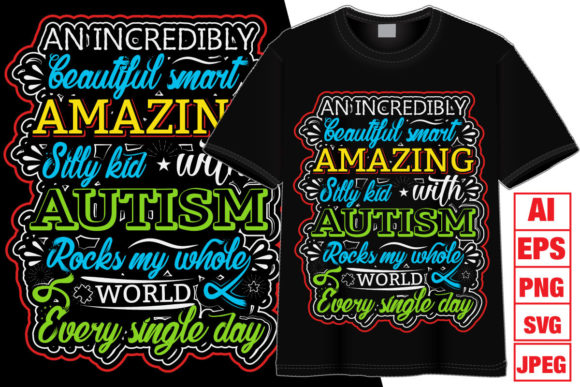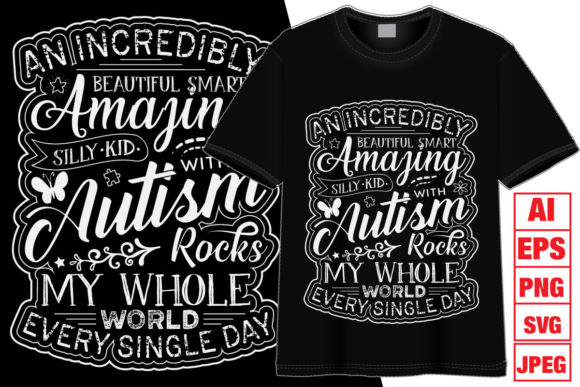
Autism T-shirt Design 4: A Designer's Review
As a professional embroidery designer who has spent years navigating the delicate balance between aesthetic appeal and technical execution, I approach every new machine embroidery design with a critical eye. Today, I am evaluating Autism T-shirt Design 4, a digital asset intended for those creating custom apparel and personalized gifts. The market is flooded with generic graphics, but designs centered on neurodiversity require a specific level of sensitivity and precision. When reviewing this piece from my store inventory, my goal is to determine if it translates well from a screen to a stitched reality, particularly for small business owners and crafters looking to expand their holiday or everyday collections.
First Impressions: Mood and Visual Personality
Upon opening the preview file, Autism T-shirt Design 4 immediately establishes a warm, supportive tone. Unlike some designs that rely on heavy-handed symbolism, this graphic feels approachable and modern. The layout suggests a balanced composition, which is crucial when working with T-Shirt Designs where negative space plays a vital role in the final look. The visual personality leans towards a clean, contemporary style, making it versatile enough for both casual wear and boutique merchandise. For an Etsy seller or a handmade shop owner, the ability to convey a message of support without overwhelming the garment is a significant advantage. The shape of the elements appears well-defined, hinting at good stitch definition once digitized properly.
Real-World Application: From Digital File to Stitched Product
Let’s imagine a real-life scenario. You are preparing a batch of custom embroidered tote bags for a local autism awareness fundraiser. You need a design that stands out against canvas but doesn't fray easily after washing. In this context, Autism T-shirt Design 4 performs admirably. The graphic structure seems robust enough to handle the texture of a cotton tote bag, provided you select the correct stabilizer. Alternatively, consider using this as a chest logo on a sweatshirt. Sweatshirts present a challenge due to their looped texture, but the apparent clarity of this design suggests it would hold up well with a medium-density fill stitch.
For parents looking to create a personalized gift, such as a baby onesie or a nursery pillow cover, the design offers a gentle aesthetic. Baby embroidery requires soft edges and non-irritating textures. If the digitization includes smooth satin borders rather than jagged fill patterns, Autism T-shirt Design 4 becomes an excellent candidate for infant wear. It transforms a simple garment into a statement piece that celebrates diversity, adding significant value to your finished product line. Whether you are selling these as holiday embroidery items or year-round stock, the design supports a narrative of inclusion that resonates with customers.
Technical Considerations for Embroidery Professionals
While the visual potential is high, practical application demands attention to detail. As a reviewer, I must advise caution regarding stitch density and hoop size. Before committing to expensive fabric, always test the design on scrap material. This step is non-negotiable. Check how the thread colors interact; high contrast is essential for visibility, especially on dark fabrics. If the design features fine details, ensure your machine can handle the intricacy without breaking threads or causing puckering.
When working with custom apparel, be mindful of the fabric type. Thin or stretchy fabrics may require a tear-away stabilizer, while heavier items like aprons or blankets might need cut-away support. The design should not be placed on curved surfaces like caps unless you have verified that the digitization accommodates the curvature without distorting the image. Tiny lettering, if present within the graphic, needs careful inspection. If the text is too small, it may become illegible after stitching, reducing the overall impact of the message. Always review the embroidery file specifications to confirm compatibility with your specific hoop dimensions.
Strategic Use in Craft Businesses and Small Shops
For the creative entrepreneur, Autism T-shirt Design 4 represents more than just a pattern; it is a tool for brand building. Using this design consistently across various products—such as patches, tea towels, or kitchen linens—can help establish a cohesive look for your shop. An embroidered patch featuring this graphic can be sewn onto denim jackets or backpacks, offering durability and a tactile quality that printed transfers cannot match. This adds a layer of professionalism and trust to your brand, signaling to buyers that you care about quality and meaningful messaging.
If you are planning to sell the finished items, ensure you understand the licensing terms associated with the digital embroidery file. Some licenses allow for personal use only, while others permit commercial sales. Clarifying this before you start production protects your business from legal issues. Additionally, creating printable mockups can help showcase the design to potential clients before you invest time in stitching. These visuals serve as powerful marketing assets, allowing customers to visualize the final result on different backgrounds and styles.
Design Nuances and Fabric Pairings
- Texture Matters: Avoid pairing dense stitch areas with highly textured fabrics like terry cloth unless you adjust the underlay settings.
- Color Contrast: Test the design in black and white first to ensure the shapes remain distinct regardless of the thread palette chosen.
- Placement Strategy: On layered garments, place the design on the outermost layer to prevent shadowing from inner fabrics.
- Wash Durability: Ensure the running stitch and outline stitches are secure to withstand frequent laundering, especially for children's items.
Final Verdict on Commercial Viability
In conclusion, Autism T-shirt Design 4 demonstrates strong potential for a wide range of embroidery projects. Its thoughtful composition makes it suitable for everything from intimate family gifts to broader commercial ventures. However, its success hinges on the skill of the embroiderer and the quality of materials used. By taking the time to test the design, verify the license, and choose appropriate fabrics, you can create a finished product that is both beautiful and meaningful. For those seeking to add depth and purpose to their craft business, this design offers a solid foundation. It bridges the gap between artistic expression and functional fashion, proving that even a simple graphic can carry a powerful message when executed with care.