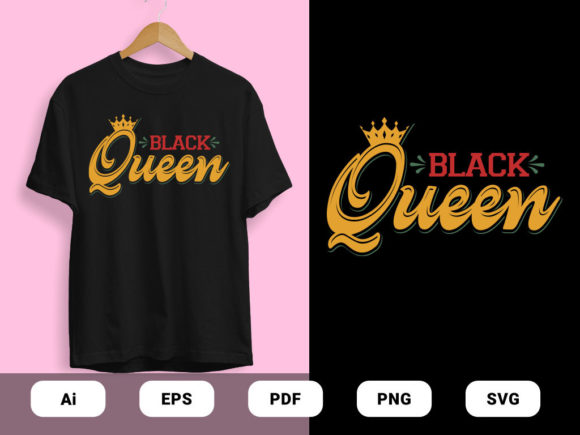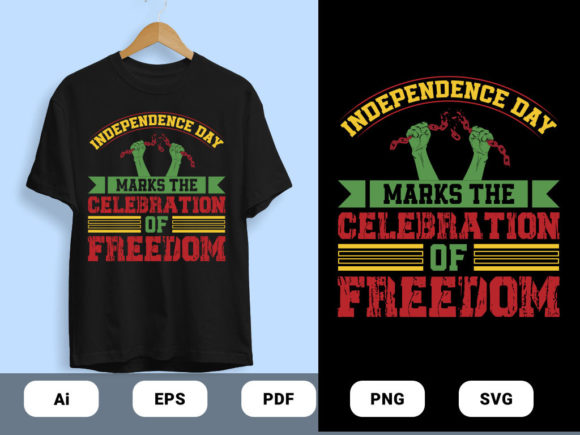
Black History T-shirts Design Vector Review
As a designer who has spent years navigating the delicate balance between digital art and physical thread, I approach every new asset with a critical eye. When I first opened the Black History T-shirts Design Vector, my immediate goal wasn't just to admire the typography; it was to visualize how these lines would translate into a finished embroidery project. This piece sits squarely in the Print Templates category as a Graphics file, but its potential extends far beyond a simple screen print. For those of us running small craft businesses or creating custom apparel, understanding the transition from vector to stitch is the difference between a professional product and a tangled mess.
First Impressions: Typography and Mood
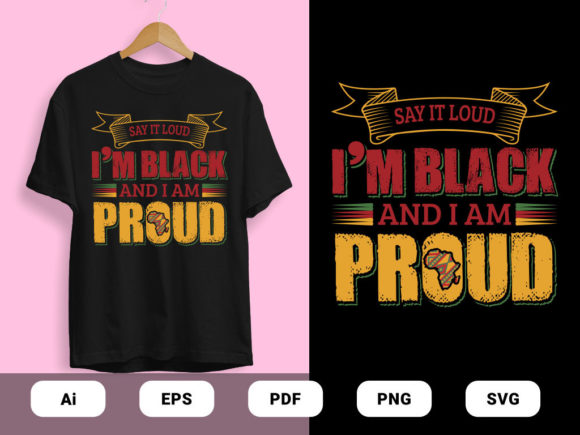
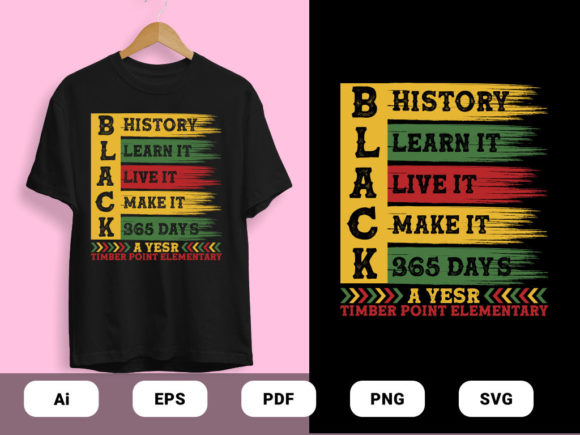
The visual personality of this design is bold and declarative. The typography carries a weight that suggests strength and heritage, making it an excellent candidate for commemorative pieces or everyday wear that makes a statement. Unlike intricate floral patterns that require complex underlays and multiple color changes, this design relies on clean lines and strong shapes. In the world of machine embroidery, simplicity often wins when it comes to legibility and durability. The layout feels balanced, which is crucial when you are planning to place this on a chest pocket, the center of a hoodie, or even as a large back print on a sweatshirt.
However, as an experienced reviewer, I always ask myself: does this hold up when scaled down? While the vector format allows for infinite scaling without pixelation, embroidery has physical limits. Thick strokes work beautifully with fill stitches, but if the design contains any fine serifs or tight kerning, those details might get lost in the thread density. Before committing to a production run, I would strongly advise testing the design on scrap fabric to see how the specific letterforms react to your machine's tension settings.
Real-World Application: From Concept to Stitch
Let's talk about a real-life scenario. Imagine you are preparing a line of custom embroidered tote bags for a local Black-owned business expo. You want something that looks premium but can be produced quickly. The Black History T-shirts Design Vector fits this need perfectly. On a canvas tote bag, the sturdy fabric provides a great base for a dense fill stitch, allowing the text to pop without sinking into the weave. If you were to use a high-contrast thread color against a natural canvas background, the result would be a high-value handmade product that customers would be proud to carry.
I also envision this design working exceptionally well on heavy cotton fleece hoodies. For a winter collection, placing this graphic on the left chest area creates a subtle yet powerful brand statement. Because the design is primarily typographic, it avoids the common issue of "muddy" colors that can happen when too many shades are stitched together on dark fabrics. A single-color satin stitch or a tightly packed fill stitch in white or gold thread could elevate a basic black hoodie into a boutique-level item. This versatility makes it a valuable asset for Etsy sellers looking to diversify their inventory without purchasing ten different designs.
Apparel and Beyond
While the title suggests t-shirts, the utility of this design goes much further. Consider using it for baby embroidery on onesies or bibs, where soft, rounded fonts (if present) would add a gentle touch to a meaningful message. It could also serve as the central motif for an embroidered patch, which can then be ironed onto denim jackets, backpacks, or caps. For holiday gifts, imagine this design on a kitchen towel or a pillow cover; the personalization aspect adds a layer of emotional value that mass-produced items simply cannot match. Whether you are creating personalized gifts for family or commercial merchandise for a shop, the adaptability of this machine embroidery design is its strongest selling point.
Navigating Challenges: Where Caution is Needed
Despite its strengths, not every application is straightforward. As a professional, I must highlight where this design requires careful handling. If you plan to use this on thin, stretchy fabrics like jersey knit, the tension of the needle pulling through the loops can cause puckering. In such cases, a heavy-duty stabilizer is non-negotiable. You might need to reduce the stitch density slightly to prevent the fabric from distorting, especially around the edges of the letters.
Another area of concern is curved surfaces, such as baseball caps. Embroidery on a cap requires a specialized hoop and often a modified digitizing process to account for the curve. If the Black History T-shirts Design Vector includes long horizontal lines of text, they may bow or warp on a curved brim unless the file is specifically adjusted for cap embroidery. Always check the file specifications before attempting this. Similarly, tiny lettering within the design should be avoided on textured fabrics like corduroy or thick wool sweaters, as the thread may sink into the ridges, making the text unreadable.
For products that will undergo frequent washing, such as aprons or reusable shopping bags, the longevity of the thread is paramount. Ensure you are using high-quality polyester or rayon thread that resists fading. The stitch density plays a huge role here; if the fill is too loose, threads can snag and unravel over time. Conversely, if it is too dense, the fabric may become stiff and uncomfortable to wear. Finding that sweet spot is part of the art of embroidery.
Practical Designer Notes for Success
To get the most out of this Graphics asset, follow these practical steps before you start stitching:
- Test on Scrap Fabric: Never skip the test run. Stitch the design on a piece of the actual fabric you intend to use to check for puckering and clarity.
- Check Thread Contrast: Visualize how the thread colors will look against light and dark backgrounds. A design that pops on white might disappear on navy blue without proper adjustment.
- Review Stabilizer Needs: Determine whether you need cut-away or tear-away stabilizer based on the fabric type. Heavy fabrics usually require cut-away for support.
- Inspect Small Details: Zoom in on the vector file to ensure no lines are too thin to be stitched effectively. Thin lines often break during the sewing process.
- Mockup First: Use printable mockups to see how the design scales on different products before spending hours stitching.
- Verify Licensing: Always confirm the licensing terms before selling finished items. Ensure you have the right to use this design for commercial embroidery projects and digital product sales.
Final Verdict on Value and Appeal
The Black History T-shirts Design Vector offers significant value for creative entrepreneurs and hobbyists alike. Its clean aesthetic ensures high customer trust and recognition, which are vital for building a reputable craft business. When executed correctly, this design enhances the visual appeal of any handmade product, turning a simple garment into a conversation starter. It bridges the gap between digital artistry and tangible craftsmanship, offering a reliable foundation for custom apparel, holiday gifts, and boutique branding.
Whether you are an Etsy seller curating a niche collection or a decorator fulfilling a client order, this design asset provides the flexibility needed to create professional-grade results. By paying attention to fabric choice, stabilizer usage, and stitch density, you can ensure that every finished product reflects the quality and care that defines true handmade excellence. This is not just a file; it is a tool for storytelling through thread, ready to be brought to life in your next embroidery project.