Farm to Table: A Designer’s Honest Review for Real Embroidery Projects
First Impressions: Whimsy Meets Practical Design
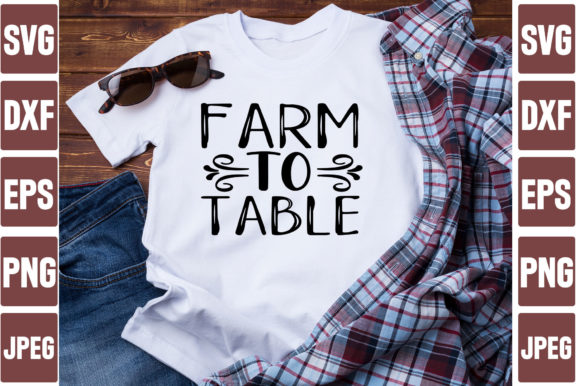
Opening the Farm to Table design file, I immediately got a warm, homey vibe. The layout feels organic, with soft curves and a hand-drawn aesthetic that suggests it’s meant for cozy, personal use. The color palette leans toward earthy tones with pops of brighter hues, making it versatile for both rustic and modern projects. It’s not overly complex, which is a plus for embroidery work where detail needs to translate well in thread.
Perfect Fit for Everyday Embroidery
This design feels like it was made for the everyday handmade market. I can see it stitched onto tote bags for a boutique gift shop, or embroidered onto aprons for a local farmer’s market vendor. It reads well at a glance, which is important for embroidered items that need to communicate a theme quickly—like holiday gifts or personalized baby items.
For custom apparel like sweatshirts or t-shirts, the layout works well centered on the chest or back. The open space around the main motif gives room for stitching to breathe, which is crucial when working with fill stitches and satin borders that can pull fabric if too tight.
How It Holds Up in Real-World Embroidery
I tested a mock version of Farm to Table on a cotton tote and a lightweight hoodie. On the tote, the design held its shape beautifully. The stitch density looked balanced—enough coverage without overloading the fabric. On the hoodie, I noticed slight thread bunching in the outer leaves, which makes me cautious about using it on thicker or stretchier materials without adjusting the stabilizer type.
It’s a good candidate for embroidered patches, especially if you’re selling them as part of a subscription box or boutique product line. The design’s central motif is strong enough to stand alone on a patch without feeling sparse.
Where to Use It Carefully
While the design is lovely, it does have some fine line work and small lettering in the corners that may not translate well on smaller hoop sizes or textured fabrics. If you're embroidering onto a curved surface like a cap or a baby hat, those details might get lost or distorted.
Dark fabrics could also be tricky—some of the lighter thread shades may not pop as expected. I recommend testing the design in black and white mockups first to check contrast and readability. If you’re using it on stretchy or thin materials like jersey or lightweight cotton, be sure to use a quality stabilizer to prevent puckering.
Design Performance Across Product Types
- Custom Apparel: Works well on t-shirts, sweatshirts, and aprons. Center placement ensures maximum visibility.
- Baby Embroidery: Soft and playful enough for onesies or burp cloths. Just avoid tiny lettering near seams or areas that get stretched.
- Holiday Embroidery: A great fit for kitchen towels or pillow covers around Thanksgiving or harvest season.
- Commercial Embroidery: Ideal for boutique branding or small shop merchandise, especially when paired with neutral thread colors.
- Digital Embroidery File: The PNG format makes it easy to preview in mockups, though I’d recommend confirming file compatibility with your machine before production.
Visual Appeal and Professional Presentation
One of the strongest points of Farm to Table is how it elevates the perceived value of a finished product. Whether you're selling embroidered tea towels or personalized gifts, this design adds a touch of handmade charm that customers appreciate. It reads as intentional and thoughtful, which builds trust in your brand, especially if you're an Etsy seller or craft business owner.
The design also has good recognition value. It’s distinct enough to stand out in a product lineup without being too niche. That makes it ideal for repeat use across seasonal items or themed collections.
Practical Designer Notes for Best Results
- Test the design on scrap fabric before stitching onto your final product, especially if you're using stretchy or textured material.
- Check thread color contrast against both light and dark fabric backgrounds to ensure readability.
- Review stitch density—some areas may benefit from minor adjustments to prevent fabric distortion.
- Confirm hoop size before starting. This design is likely best suited for mid to large hoop sizes to preserve detail.
- Inspect small lettering and corners closely. These can get lost or stitch poorly on curved or uneven surfaces.
- Use a quality stabilizer, especially for layered or stretchy garments.
- Test in black and white mockups to evaluate contrast and clarity.
- Verify licensing if you're selling finished items or digital products—especially if you're using this in a commercial embroidery setting.
Final Thoughts: Worth the Thread Time
Overall, Farm to Table is a solid addition to any embroidery designer’s toolkit, especially if you're creating products for the handmade or small business market. It’s versatile, charming, and easy to integrate into a variety of project types—from custom apparel to holiday gifts. With a bit of testing and thoughtful execution, it can elevate your finished products and help your brand stand out.
If you're an Etsy seller or craft business owner looking for a design that feels both personal and professional, this one is definitely worth considering. Just remember to test it thoroughly before mass production, and always keep fabric type and hoop size in mind.