Reviewing the Messy Bun Embroidery Design
As a designer who has spent years translating digital files into tangible thread on fabric, I approach every new asset with a mix of excitement and skepticism. The market is flooded with Illustrations that look perfect on a screen but fall apart under the needle. Today, I am putting the Messy Bun design through its paces to see if it holds up for real-world commercial embroidery projects. This isn't just about whether the file opens; it is about how this specific graphic translates into a finished product that customers will actually want to buy.
The First Impression: Aesthetic and Mood
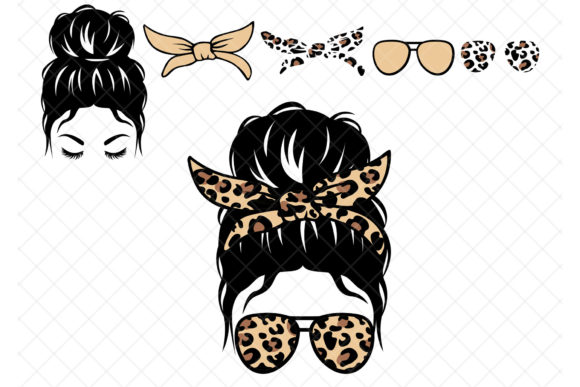
When you first load the Messy Bun file into your digitizing software or preview tool, the vibe is immediately clear. It captures that relatable, slightly chaotic energy of modern motherhood without feeling cluttered. The shape is organic, avoiding rigid geometric lines in favor of soft, flowing curves that suggest movement. For an Etsy seller or a boutique owner looking for Graphics that resonate with their audience, this design hits a sweet spot. It feels personal yet polished enough for professional branding.
The visual personality of Messy Bun suggests it belongs on items that celebrate the "mom life" aesthetic. Whether you are planning a collection of nursery decor or a line of casual wear, the layout offers a balanced composition. It does not scream for attention with excessive detail, which is a crucial factor when considering stitch density. High-detail designs often require more time to stitch and can lead to puckering on certain fabrics, but this design seems to strike a balance that should work well for both satin stitch accents and broader fill stitch areas.
Real-World Application: From File to Fabric
To truly evaluate this asset, I imagine a specific scenario: preparing a custom embroidered tote bag for a local craft fair. Tote bags are a staple for small businesses because they are durable and offer a large canvas. If I were using Messy Bun here, I would place it centrally on the front panel. The organic nature of the bun would likely complement the texture of a heavy cotton canvas beautifully.
Now, consider a different use case: a personalized sweatshirt for a holiday gift. Sweatshirts present a challenge due to their fleece texture and stretch. Here, the simplicity of the Messy Bun outline becomes an advantage. Unlike complex portraits that might get lost in the nap of the fabric, this design's bold lines should remain visible even on darker fabrics, provided you choose the right thread colors. A bright white or pastel contrast against a navy or charcoal sweatshirt would make the design pop, enhancing the overall appeal of the finished product.
I also envision this as an embroidered patch for denim jackets or backpacks. The clean edges of the machine embroidery design would translate well into a cut-out patch format. This versatility makes it a valuable addition to any craft business inventory. You could sell the physical patches or offer them as part of a customization service for clients wanting unique custom apparel.
Navigating Technical Challenges
While the design looks promising, experienced decorators know that success depends on execution. There are specific situations where Messy Bun requires careful handling. If you attempt to scale this down for a small hoop size, such as on a baseball cap, you risk losing definition. The intricate details of the hair strands might merge together, creating a muddy appearance rather than distinct textures. Always test the design at your intended size before committing to a client order.
Fabric choice is another critical variable. On thin or highly stretchy fabrics like jersey knit, the tension from the stitching could cause significant distortion. In these cases, using a high-quality stabilizer is non-negotiable. Without proper support, the running stitch outlines could pull the fabric, ruining the drape of the garment. Similarly, on textured fabrics like linen or burlap, the thread needs to sit on top of the weave without sinking in too deeply, which can happen if the stitch density is too low.
For dark fabrics, ensure you have a plan for backing. Some designs rely on the fabric color for negative space, while others require a fill to prevent show-through. Since Messy Bun appears to be a solid graphic, checking how it performs on black or deep red backgrounds is essential. A quick mockup in black and white can reveal contrast issues that are invisible on a monitor.
Business Value and Commercial Viability
From a commercial standpoint, this design asset offers strong potential for increasing buyer engagement. Products featuring relatable themes like "Mom Life" consistently perform well during holidays and special occasions. The inclusion of the hashtag sign in the package adds a layer of social media readiness, making the handmade product instantly shareable. Customers love buying items that tell a story, and this design does exactly that.
However, as a professional, I must emphasize the importance of licensing. The product description mentions 4 SVG, 4 EPS, and 4 PNG gratis MOM LIFE hashtag sign. While having multiple file formats like SVG and EPS is excellent for scaling and editing, always confirm the specific license terms regarding commercial embroidery. Can you sell the finished items? Can you resell the digital files? Understanding these boundaries protects your brand reputation and ensures legal compliance for your small shop product line.
Practical Designer Notes for Success
If you decide to incorporate Messy Bun into your workflow, follow these practical steps to ensure a flawless result:
- Test on Scrap Fabric: Never skip the test run. Stitch the design on a scrap piece of the actual fabric you intend to use. Check for puckering, thread breaks, and alignment.
- Verify Hoop Size: Ensure your hoop accommodates the full width and height of the design without stretching the image.
- Check Thread Contrast: Select thread colors that stand out against the background. Use a color chart to simulate how the final product will look.
- Inspect Small Details: Zoom in on the digital file to check for tiny lettering or delicate lines that might not stitch cleanly at smaller scales.
- Create Mockups: Use printable mockup tools to visualize the design on various products like pillows, aprons, and baby clothes before production.
- Confirm Licensing: Double-check the rights associated with the digital embroidery file to avoid legal issues when selling finished goods.
Final Verdict
The Messy Bun design is a solid addition to a decorator's library, offering a blend of charm and practicality. Its strength lies in its adaptability across different embroidery project types, from baby embroidery to holiday embroidery gifts. By respecting the technical requirements of the machine and the fabric, you can transform this digital graphic into a high-quality, market-ready item. For those looking to expand their catalog with designs that speak directly to their audience, this is a worthwhile investment, provided you approach it with the same care and attention to detail you apply to all your best work.