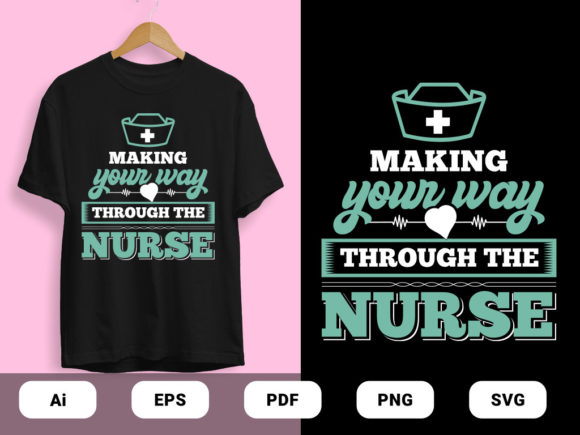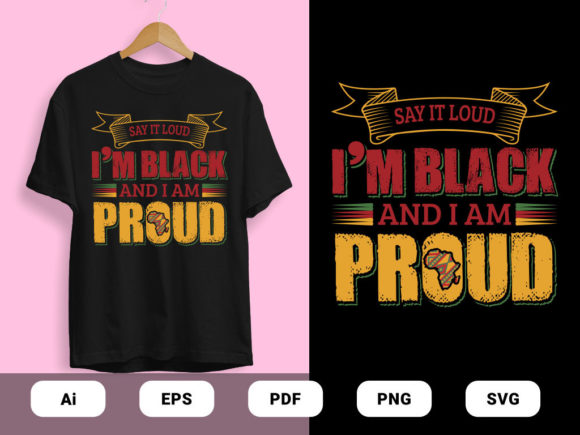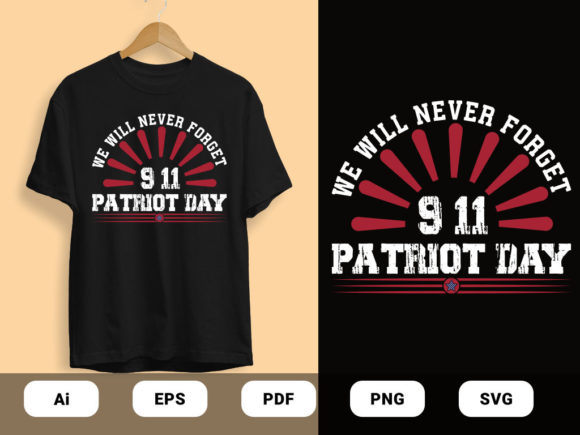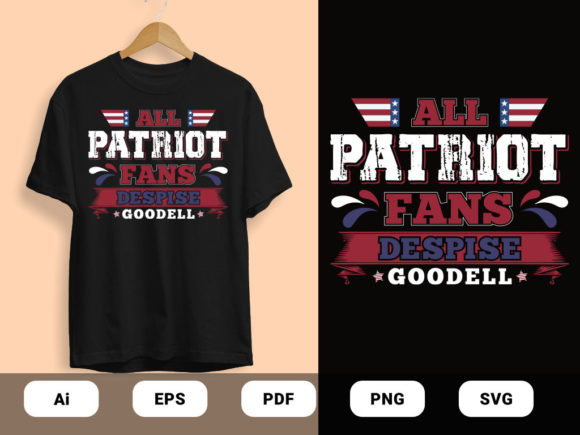
The American T-shirt Design Vector Review
As a designer who has spent years navigating the fine line between digital art and physical stitching, I approach every new asset with a critical eye. When I first opened The American T-shirt Design Vector, my immediate goal wasn't just to admire the aesthetic; it was to determine if this piece could survive the transition from a screen file to a tangible, high-quality finished product. This specific design falls squarely into the category of Graphics and Print Templates, but its potential extends far beyond simple printing. It promises a bold typographic statement that screams patriotism and style, yet the real question for any embroidery enthusiast is: how does it hold up under the needle?
First Impressions: Typography Meets Texture
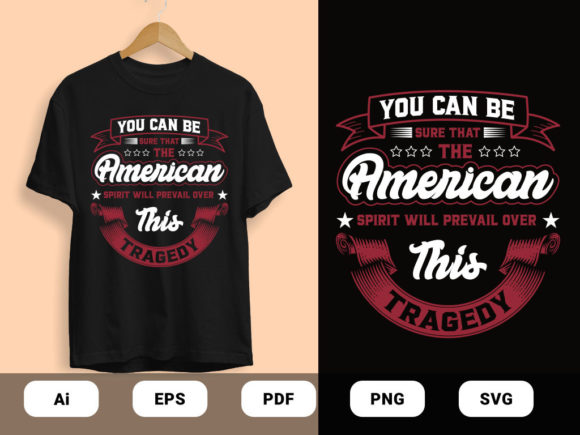
The visual personality of The American T-shirt Design Vector is undeniably strong. The typography is clean, with sharp angles and confident strokes that suggest durability. In a digital preview, the layout feels balanced, creating a mood that is both celebratory and timeless. However, when translating this kind of bold lettering into an embroidery project, the details matter immensely. The design relies heavily on negative space and thick lines, which are generally forgiving in machine embroidery. Unlike intricate floral patterns that can get lost in dense fill stitch areas, this vector's structure suggests it will translate well into a crisp, readable format.
I immediately thought about how this would look on a heavy cotton canvas tote bag or a structured denim jacket. The boldness of the letters means they won't shrink visually once stitched, a common issue with smaller, delicate fonts. For a craft business owner looking to create a signature item, this design offers a level of professionalism that elevates a basic garment into a boutique piece. The visual appeal is high because the design doesn't try to do too much; it lets the fabric texture and thread colors do the heavy lifting.
Real-World Application: From Hoop to Handheld
To truly test the viability of The American T-shirt Design Vector, I imagined a specific scenario: preparing a limited run of holiday sweatshirts for a local Etsy shop. The goal was to create a personalized gift that felt premium and durable. In this context, the design shines. When applied to a mid-weight fleece sweatshirt, the bold typography stands out without requiring excessive stitch density. High stitch counts can sometimes cause puckering on stretchy fabrics, but the open nature of this vector allows for better airflow and less tension on the material.
I also considered using this as an embroidered patch for backpacks or caps. The clean lines of the vector make it ideal for cutting and stabilizing before sewing onto curved surfaces. On a baseball cap, where space is limited and the surface is uneven, the simplicity of the design ensures that the text remains legible even after the stitching process distorts the shape slightly. For custom apparel decorators, this versatility is key. Whether you are doing a single personalized gift for a client or a bulk order for a small team, the design maintains its integrity across different applications like pillow covers, kitchen towels, and aprons.
Navigating Fabric Challenges and Technical Nuances
While The American T-shirt Design Vector is robust, it is not immune to the challenges of embroidery. One area that requires careful attention is the use of thin or highly textured fabrics. If you attempt to stitch this design on a lightweight t-shirt without the proper stabilizer, the weight of the thread could distort the fabric, causing the letters to warp. Similarly, on dark fabrics, the contrast becomes critical. You must choose thread colors that pop against the background to ensure the typography remains clear. A white or light gray thread on a navy hoodie would work beautifully, whereas a similar tone might render the design invisible.
Another consideration is the hoop size. While the vector is scalable, scaling it down too much for a baby onesie or a small hat can lead to issues with satin stitch width and running stitch visibility. Tiny lettering often loses definition when stitched, turning distinct characters into blurry blobs. Therefore, I recommend keeping the design at a moderate size to preserve the sharp edges that define its character. Additionally, if you plan to use this for items that require frequent washing, such as tea towels or gym wear, ensuring the stitch density is tight enough to prevent snagging but loose enough to allow water penetration is essential for longevity.
Practical Designer Notes for Success
Before committing to a full production run with The American T-shirt Design Vector, there are several practical steps every maker should take. First, always test the design on scrap fabric that matches your final product. This allows you to check how the thread interacts with the specific weave of the material. Second, review the embroidery file settings carefully. Even though the source is a vector, the digitization process determines the final quality. Look for smooth transitions between fill and satin stitches to avoid jagged edges.
It is also wise to create a printable mockup in black and white to visualize the contrast before spending expensive thread. Compare how the design looks on light versus dark backgrounds to ensure it works for your intended color palette. Finally, verify the licensing terms. As a small shop product seller or Etsy seller, you need to confirm whether you are allowed to sell the finished embroidered items or if the license restricts commercial use. Understanding these boundaries protects your business and ensures you are operating within legal parameters.
Final Verdict: A Versatile Asset for Makers
In conclusion, The American T-shirt Design Vector is a solid addition to any designer's library of design assets. Its strength lies in its clarity and adaptability, making it suitable for everything from baby embroidery projects to large-scale commercial embroidery runs. It respects the limitations of the medium while maximizing visual impact. By paying attention to fabric choice, stabilizer usage, and thread contrast, you can transform this digital graphic into a high-value handmade product that customers will love. For those looking to add a touch of patriotic flair to their portfolio, this design offers a reliable path to professional results.